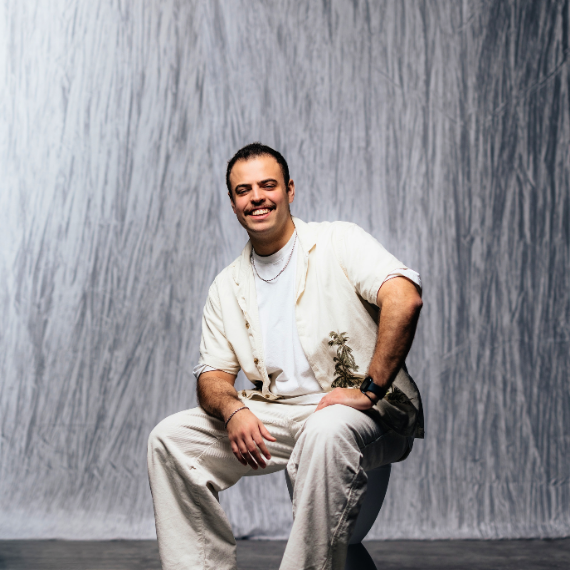
Charlé Moore was introduced to golf as an incoming seventh grader during a clinic hosted by Tiger Woods in 1997. That encounter became a cornerstone of her college and career journey.
Although Moore didn’t continue pursuing golf skills until the start of ninth grade, she played on the varsity team throughout high school and later became a college athlete at Tennessee State University. She was a member of the TSU women’s basketball team and the inaugural women’s golf team, pioneered by Amanda Johnson, a teammate she met at Pine Hill during her first golf clinic.
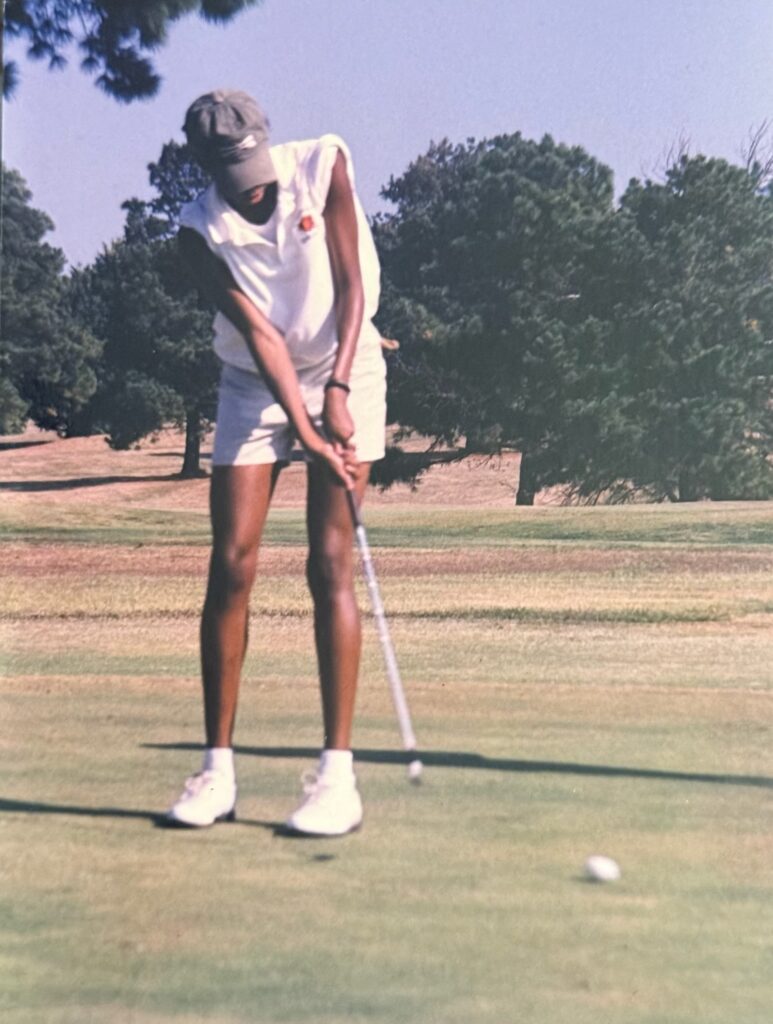
Nearly 30 years later, she leads the boys and girls golf teams of Crossroads School for the Arts and Sciences as head coach.
That early exposure to golf led to lifelong relationships, higher education and a career spanning engineering, athletics and youth development, but her path was far from linear.
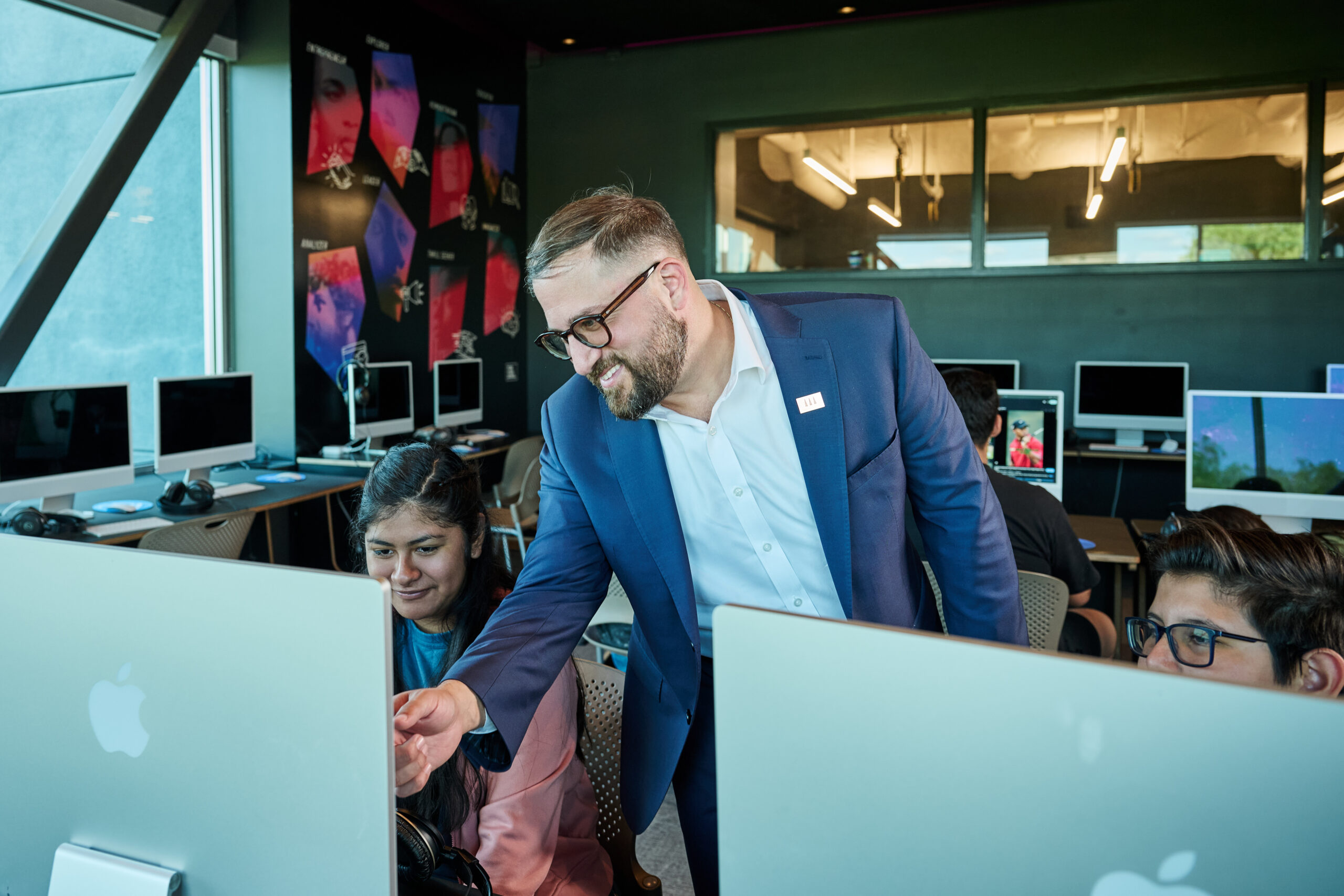
In 2025, she joined TGR Foundation as a lead instructor for mobile science, technology, engineering, arts and mathematics (STEAM) programming throughout Los Angeles.
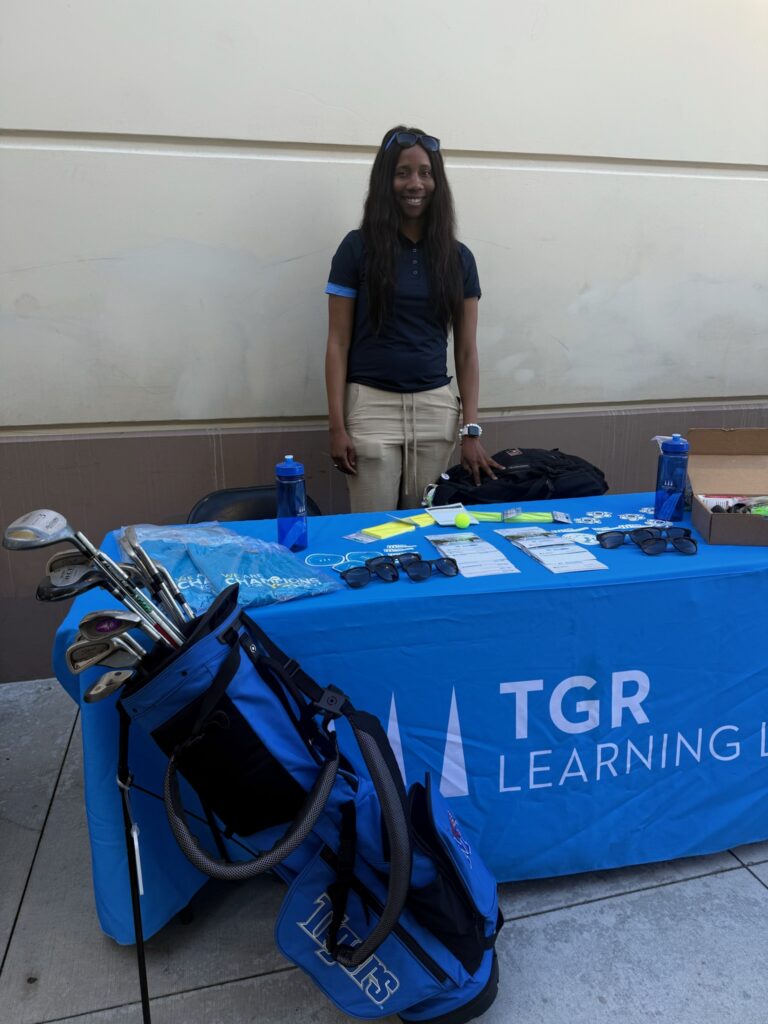
As the Foundation celebrates its 30th anniversary, presented by EY, and prepares to open a new TGR Learning Lab on the Lulu’s Place campus in Westchester, Moore took time to reflect on her journey and how her career has allowed her to discover her calling and live with purpose.
TGR Foundation: You’re coaching at Crossroads, and you’re also teaching or facilitating STEAM courses for youth across Los Angeles. Would you describe those two career pathways as a balance of your passions?
CM: I’m more purpose-driven than passion-driven. It’s definitely a purpose and a calling. This is on a higher level than something I would know or have a passion for myself, because it wasn’t my intention to do the things that I ended up doing.
I feel in this process I’m in, I’m on purpose doing what I need to do, and right now what I’m needed for is these youth—to champion them, especially Black boys and girls.
I don’t push that kids need to do these things, but I want them to be confident and know that they can, in particular, engineering and golf, where we are low in numbers.
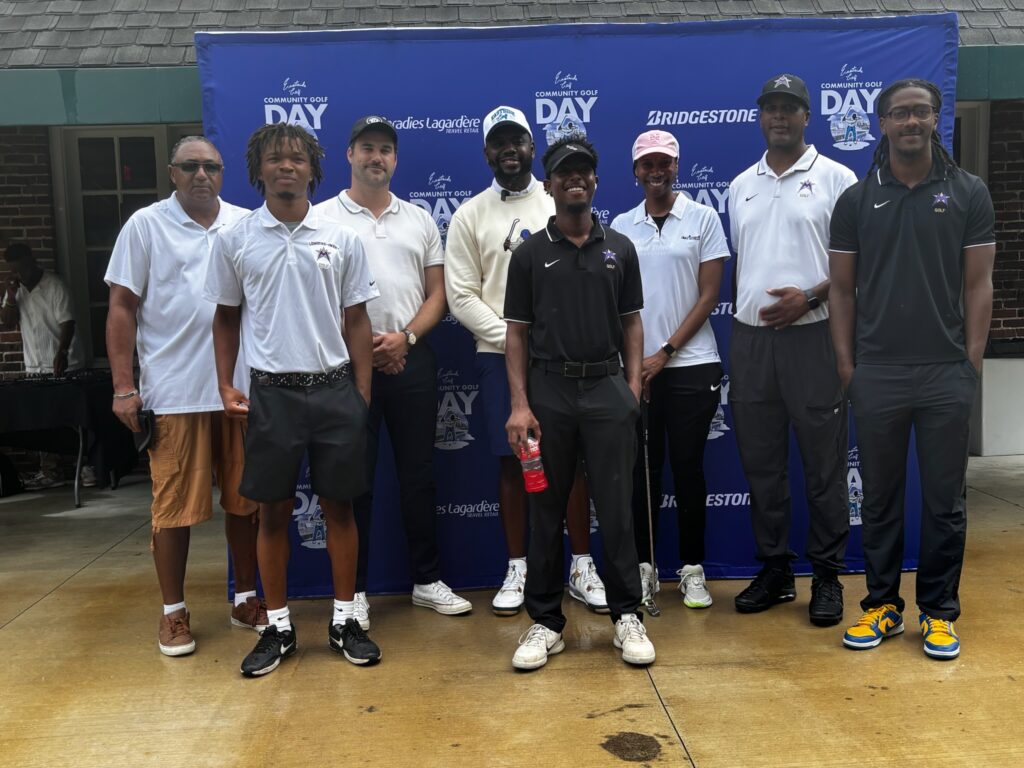
People hear I worked at ESPN and think it’s because I played sports, but to make it to ESPN as an engineer rather than as a student-athlete, I see that as a full-circle moment.
TGR Foundation: Describe a day in your life at ESPN as a systems engineer.
Charlé Moore: I worked in systems design and studio production engineering—building studio sets and engineering-related design.
The day was never the same. I had a lot of AutoCAD drawing in my day, but I also had a lot of meetings.
TGR Foundation: How did you get into systems engineering?
CM: My degree concentrated on that type of engineering, which is based around electrical signals, communications and circuits.
That’s why it’s easy for me to teach or facilitate these workshops with students because I’m teaching them what I did, but on a very fundamental level.
TGR Foundation: Was it hard for you to leave ESPN when you decided to transition into media?
CM: It was definitely hard making the choice, but not hard leaving. During one of those ESPN professional development meetings, I met Robin Roberts.
Her encouragement and insight are what shifted me to start looking into grad[uate] school.
It was a good year and a half before I decided to leave. I even tried changing scenery and moved to Austin to be a part of the team that built ESPN’s Longhorn Network. When I left Austin, I went to L.A. and got right into [the University of Southern California].
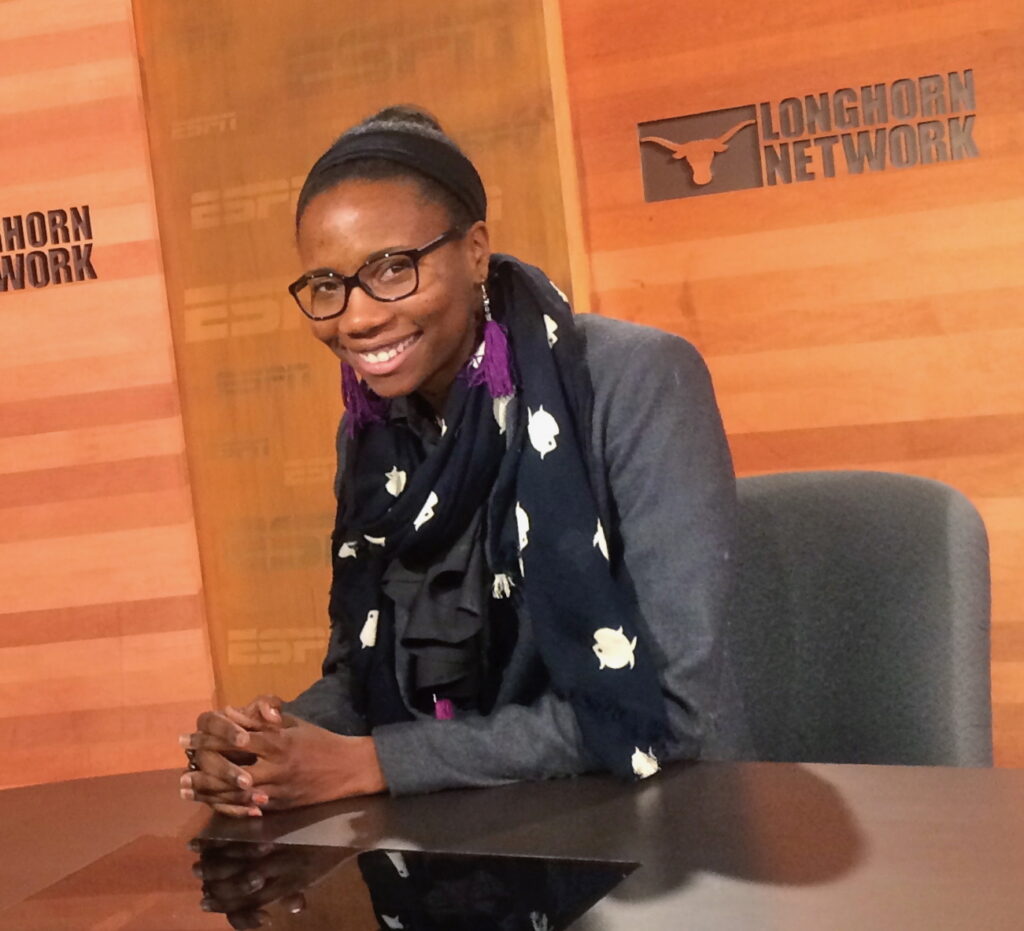
TGR Foundation: How did you transition from engineering to journalism to coaching?
CM: When I got the job at ESPN, I started playing in charity tournaments and our organization league tournaments. I was also working with nonprofits that focus on youth. At one of the nonprofits, I met a youth basketball coach at Crossroads. She found out about my background and asked me if I would be interested in coaching. I started coaching basketball. That same year, the school was looking for a golf coach and found out golf was in my background, too. They hired me, and I’ve been coaching it for 10 years.
TGR Foundation: Looking back on your college and career journey, what are you most proud of?
CM: Completion. Everything I’ve started, I’ve completed. It wasn’t always a linear completion, but I still completed it.
It wasn’t hard to leave ESPN because I felt I had completed what I set out to do.
I wanted to work as a professional engineer. I never planned to retire as an engineer. It was more about seeing where the degree would take me.
Whatever the future holds, I’m content with what I’ve done. Honoring my parents has been the most rewarding.
TGR Foundation: How do you continue learning as a professional?
CM: Reading, listening and not taking things for granted; even the youth I’m teaching help me learn.
TGR Foundation: What advice would you give students interested in engineering or coaching?
CM: Find what you love and figure out how to apply that in whatever you do.
TGR Foundation: When you think back to your first experience with golf through the clinic hosted by First Tee and TGR Foundation, what stands out most?
CM: I was aware of how big it was for us to have Tiger Woods there and for us to be playing golf. I felt that motivation.
My first time being exposed to golf was with the greatest golfer ever. I can still remember that clinic and all of us kids just being happy to hear Tiger talk.
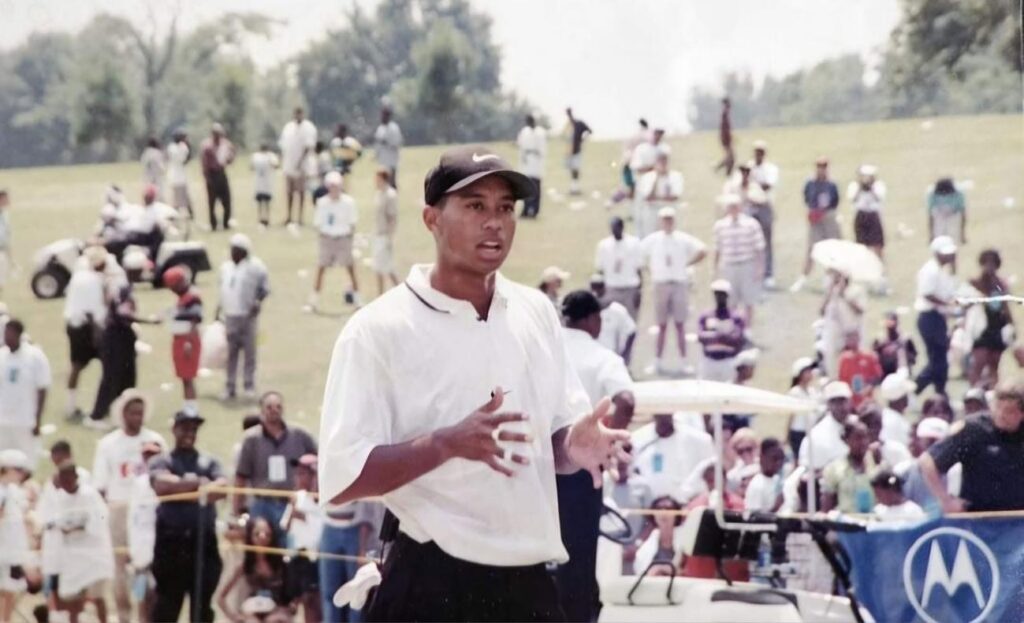
We didn’t have to be great golfers. We just had to be children in that community. One of the things I appreciate is that it didn’t feel like a photo opportunity.
It could have, but it didn’t feel that way. As a child, I felt he was genuinely happy to be there with us and happy to expose us to golf. I remember him interacting with us. He really spent time with us.
That sticks with me now when I’m out with kids. I make sure children feel acknowledged. You never know how much you can mean to somebody or what that moment can mean.
TGR Foundation: You were first introduced to Tiger through that golf clinic at Pine Hill almost 30 years ago, and now you’re part of his foundation as it celebrates 30 years. What does it mean to be part of Tiger’s legacy?
CM: Humbling and full circle.
I have a lot of regard for Tiger because I know what he did for the Black community. Now that I’ve experienced golf even more, I know what he had to endure to excel at the level he did. I still think he’s the greatest golfer ever.
I believe his foundation comes from a genuine place of care. I remember seeing it for myself as a kid. He really came out there to share his time with us.
It wasn’t pity. He didn’t make us feel pitied.
Now, from a coaching standpoint, especially as golf has become even more popular, I can see the seeds he planted 30 years ago.
I’m just happy. I’ve only been here [with TGR Foundation] a little over a year, but they’ve made me feel welcome.
I’m excited for the opportunity to continue being a part of it. I’m also excited for the opening of TGR Learning Lab Los Angeles and the Westchester community to have the opportunity of a lifetime, especially the youth in that community. They’ll have access to possibilities they didn’t have before.
TGR Foundation: Do you have a favorite memory from your time with the Foundation?
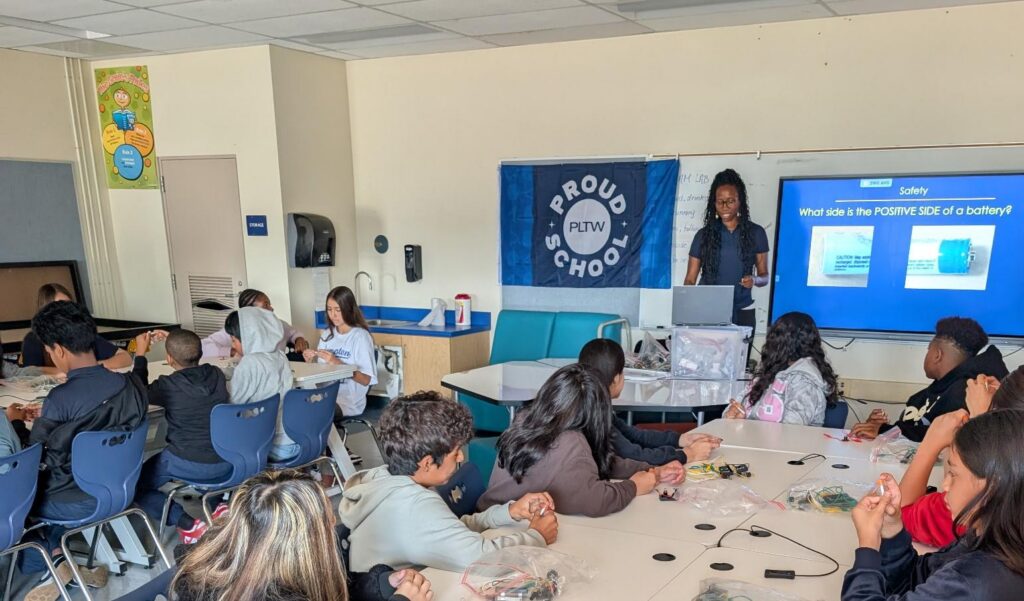
CM: I have many of them. I enjoy these students, especially the summer cohort of St. Bernard High School freshmen. Their engagement has been incredible since I’ve been there.
It assures me that I’m still on purpose when I see those kids go from disengaged and not interested to engaged because somebody took the time to show them how engineering can be applicable.
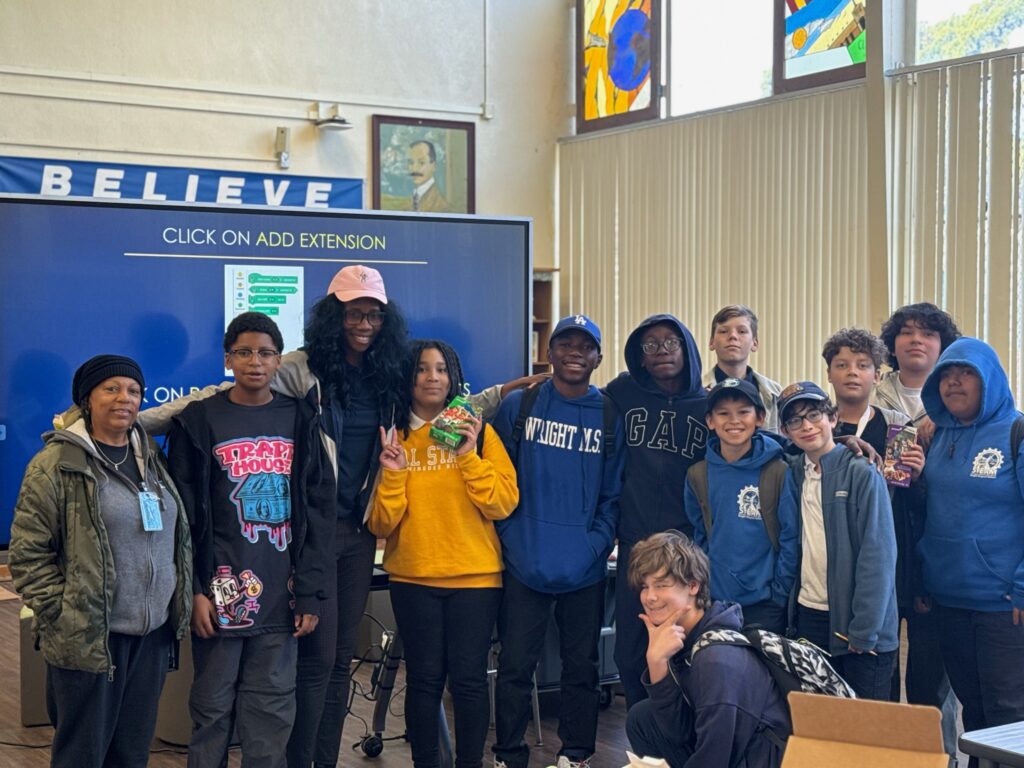
Some of those students still tell me they don’t want to become engineers.
That’s okay. They still had fun and got exposed to it.
For students who already want to become engineers, now they have another tool to continue pursuing that path.
TGR Foundation: What are you looking forward to over the next five years?
CM: To be alive, healthy and living in my purpose.

TGR Foundation has been driving dreams together in under-resourced communities since 1996. As we celebrate our 30-year anniversary, presented by EY, this series celebrates the impact of our programs and the accomplishments of esteemed alumni.
Learn more at TGRFoundation.org.