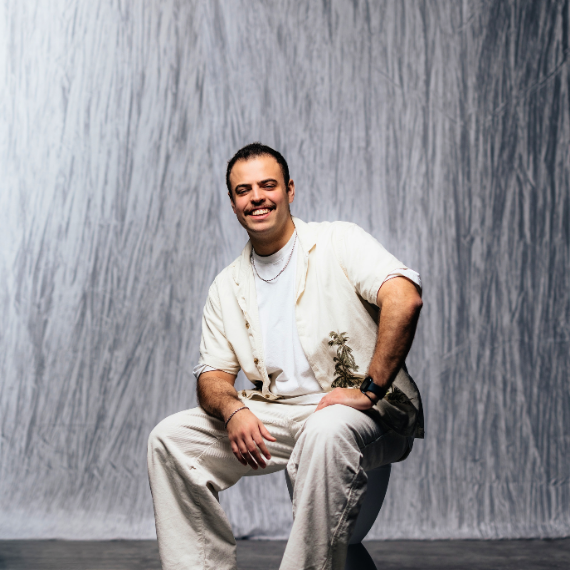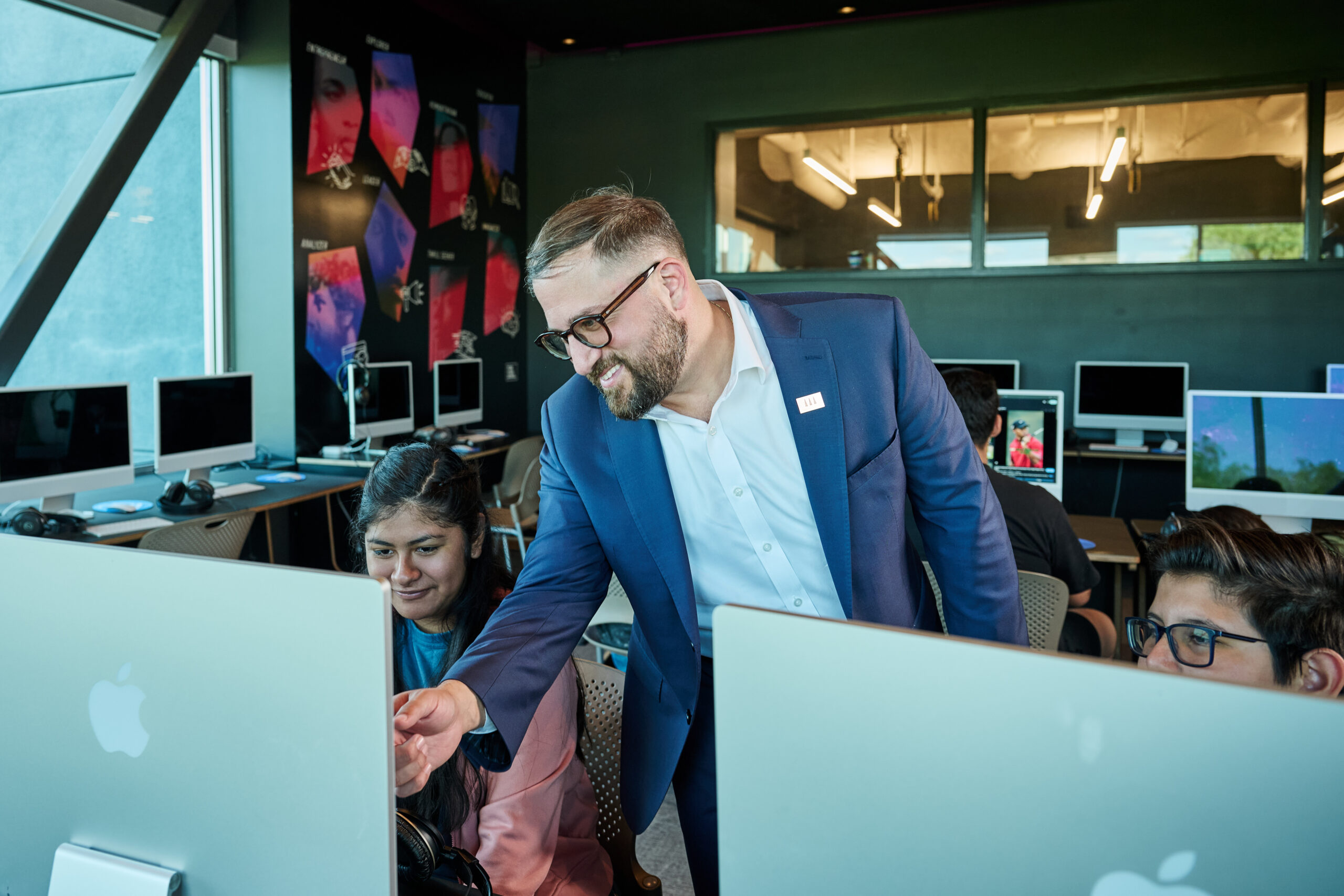
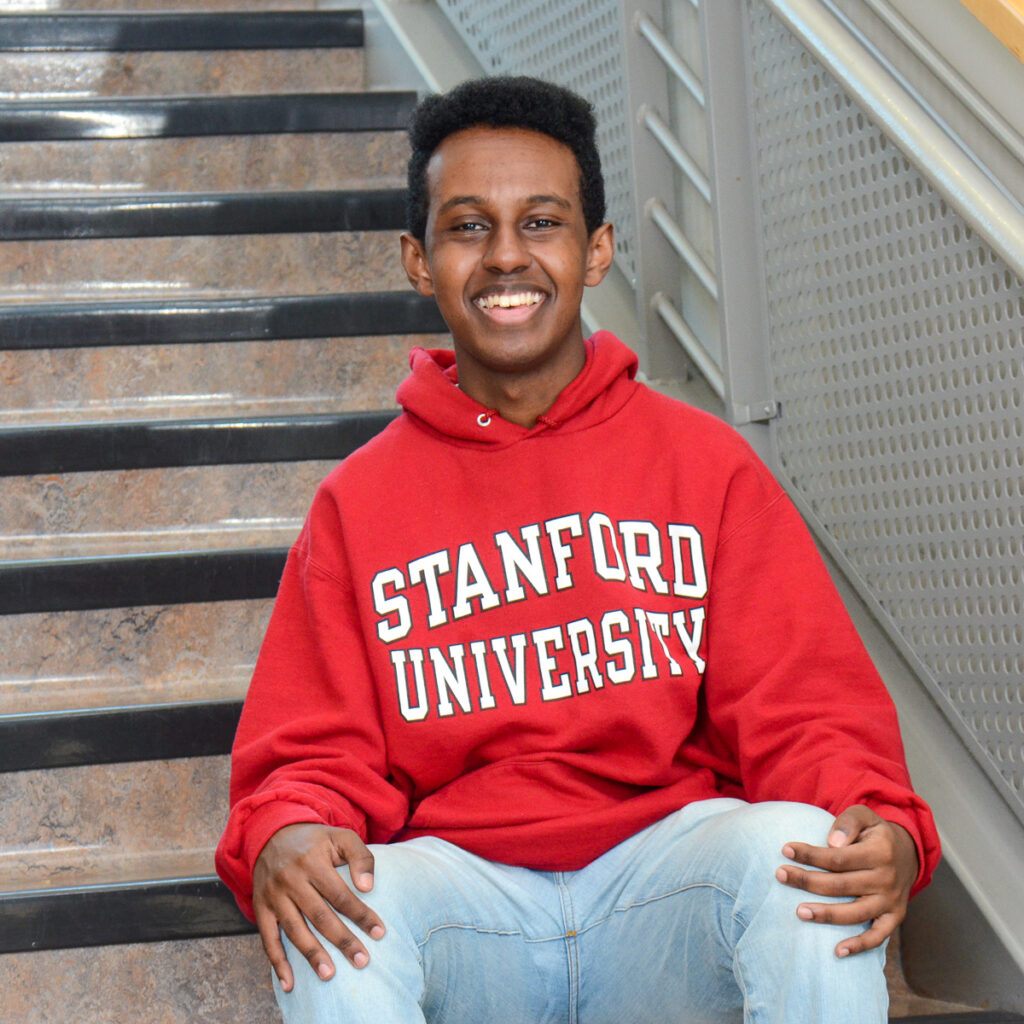
Sammy Mohammed’s journey to becoming a Google engineer started with a love for computer science. As a kid he was always interested in technology and a field trip to the TGR Learning Lab Anaheim opened a world of opportunity to him.
After participating in a 5th-grade marine biology field trip, he unlocked access to after-school programs and spent countless hours taking classes and participating in the computer clubhouse to nurture his passion while building transferrable skills for his career and life. Sammy was later accepted into the Earl Woods Scholar Program and gained ongoing support that helped him graduate from Stanford University. As we celebrate our 30 year anniversary, presented by EY, he took time to share more about his journey and insights into life as an engineer.
TGR Foundation: Where do you currently live and work?
Sammy Mohammed: I live in San Francisco, and I’ve been working at Google as a Software Engineer since 2022.
TGR Foundation: How did you end up in your career? Describe your path.
I was always very into computers and technology. That’s what motivated me to take robotics courses and game design classes at the TGR Learning Lab as a kid. After these experiences, I had a sense that working with computers was something I wanted to do. I took AP Computer Science in high school; by then, I was confident I wanted to be a software engineer.
Thanks to all of these early experiences, I was able to attend pre-college programs and intern at companies like Meta and Google, giving me the confidence to major in computer science and ultimately pursue it full-time.
TGR Foundation: Describe an average day in your life as a software engineer.
There are more meetings than you’d think! My day-to-day usually involves design discussions, tradeoffs around different systems we can build to solve a customer problem or meetings about managing incidents and reducing toil for the team. There’s a strong culture of collaboration, and I’m grateful to work with kind and talented people. There’s also time to do deep focus work, which I appreciate. I spend a few hours a day implementing solutions to the problems we discuss in meetings, and some time reviewing my teammate’s code and proposals.
TGR Foundation: What is the most rewarding element of your career?
I work as an infrastructure software engineer, so lots of work on distributed systems that touch many different products. Many software engineers work on consumer-facing products, like YouTube, Instagram or Snapchat, and get a sense of pride from being able to impact so many people directly. I personally really enjoy the breadth of impact I can have, especially at a company like Google. My team’s work supports many products across the Google suite, and I always feel proud when I think about the scale.
TGR Foundation: What accomplishment(s) on your college and career journey are you most proud of?
It’s hard to answer this. I’m grateful for so many different experiences. If I had to choose, I’d say I’m most proud of doing well during undergrad[uate studies] and using that to break into a career that I dreamed of as a child.
It’s difficult to imagine yourself at Stanford or at Google when you’re 14 years old; it feels like it’s beyond your wildest dreams. But being able to enter these places and do well is incredibly validating and is something I’m very proud of.
I’ve always admired the people in the TGR Foundation community who were able to give back and help others: college counselors who spoke to me when I was an Earl Woods Scholar and Earl Woods Scholars alumni who came back to help mentor and teach.
As a teen, I really wanted to get to a point where I could help others and pay it forward. While I still have a long way to go on this journey, I’ve had opportunities to host interns at Google, as well as mentor an Earl Woods Scholar at Stanford. It feels like a wonderful full-circle moment.
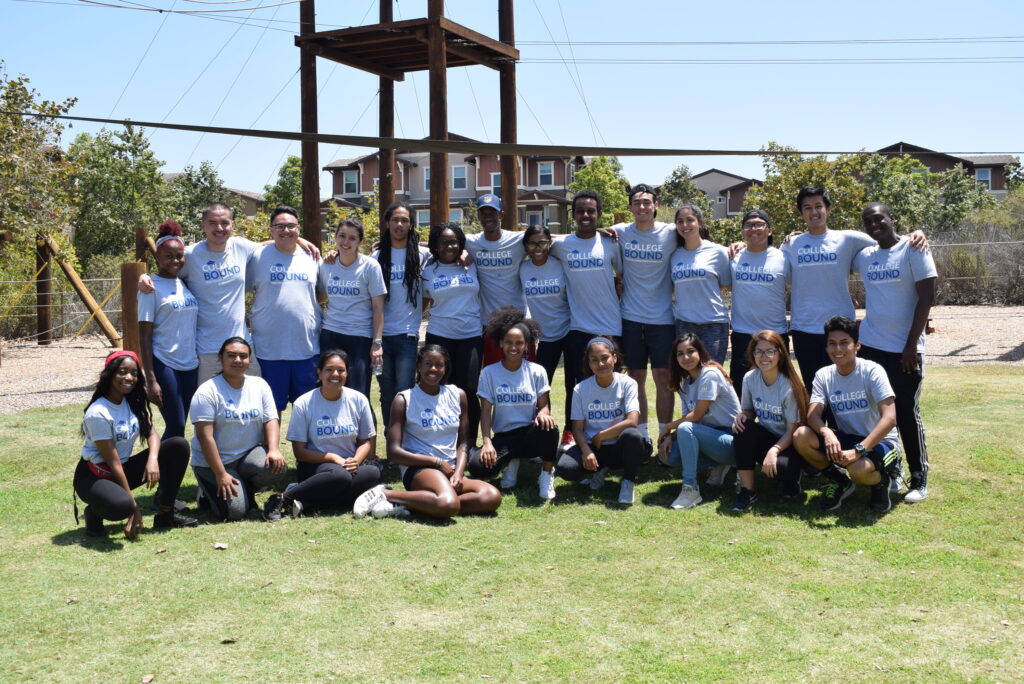
What is your favorite memory with TGR Foundation?
I remember competing in a bridge design competition with the Foundation when I was in middle school. We were using this software to design bridges, based on engineering principles to help us improve at math. The competition hooked me; I was so excited to work on my bridge after school, and whenever I made improvements to the price or to the performance, I felt very proud of myself. I did well in the competition, but collaborating with everyone at the foundation was fulfilling, and it helped fuel my desire to work in tech.
Overall, the time I’ve spent with the TGR Foundation has been an incredible privilege. I’ve benefitted so much from their programs – as a child in OC, a teenager applying to college and as a young adult leaning on my mentors from the program. I am incredibly grateful, and so happy that I can help pay it forward by mentoring others.
TGR Foundation: How do you continue to learn as a professional?
Software engineering has been developing incredibly quickly in the last few years. The moment I entered the workforce, ChatGPT was released, and in just 3 and a half years, tech companies have pivoted toward leveraging AI to solve problems.
When the field is moving so quickly, it can be a bit overwhelming. I’ve been trying to leverage new tools in my work and in my personal life so that I can keep up with the changing tides. Personal projects leveraging skillsets I want to learn are a big part of this work.
TGR Foundation: If you could write a letter to your younger self, what would you say to him?
It’s going to work out! You’re a very driven student; don’t be too hard on yourself, and make sure you have some time to enjoy high school and college. Be sure to take advantage of opportunities you’re naturally interested in!
Specializing too early isn’t great; I’ve had the chance to see many of my friends succeed in the last few years. The most successful love what they do and were able to connect their love for a subject into a career. It’s easy to optimize for a “good college” or a 4.0, but you’ll get much farther if you optimize for doing work you’re both proud of and passionate about.
TGR Foundation: What advice would you give to students who are interested in your career path?
The field is changing so rapidly now. Given the changes in the space and the rapid development of AI, I’d recommend that students focus on remaining flexible. Learning about the entire stack – hardware to software – will help serve you well as the field continues to develop.
I personally believe that the types of roles in technology will change, rather than disappear. And by remaining flexible, you’re in some of the best positions to capitalize on this change when you graduate.
TGR Foundation: What’s one resource that helped you drive your dreams forward that every student should have?
I’m really excited about the future of education technology. When I was about 14, Khan Academy had just started its SAT partnership and published practice exams and lesson plans to help students close gaps. It gave me the chance to do self-directed preparation I wouldn’t have been able to discover even five years earlier. I benefited a lot from this, and I hope that as technology continues to progress, we can continue democratizing access to knowledge that students want.
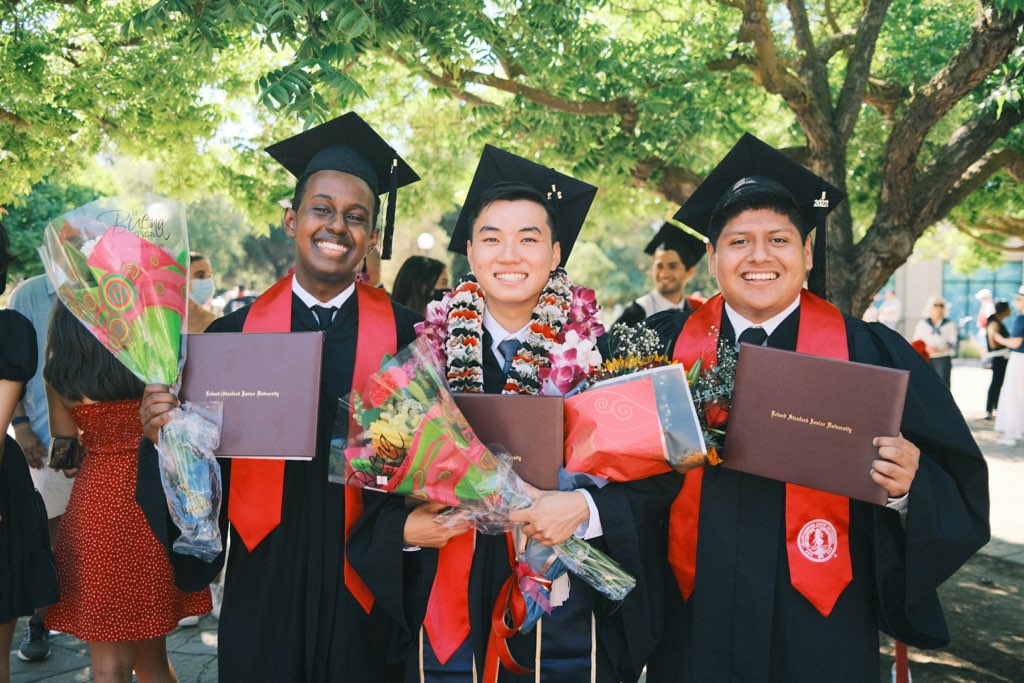
TGR Foundation: As an alumnus of the TGR Learning Lab Anaheim and Earl Woods Scholar Program, how does it feel to pay your support forward as a mentor?
It’s incredibly fulfilling! I touched on this earlier, but it’s wonderful to have a full-circle moment. I love being able to give back. My life was transformed so dramatically by access to education and mentors who believed in me; I hope I can do the same for someone else.
TGR Foundation: What are you most looking forward to in the next five years?
That’s hard to say! I feel very happy about my life today. I hope to see technology continue to progress; it’s been surreal living in San Francisco and meeting so many people involved in the field. My biggest hope is that we can get to a point where these innovations can broadly impact the rest of the world.
As a child, technology progressed so rapidly. We went from pagers to cell phones in a decade. Personally, though, around the last ten years, its felt like consumer technology has just been iteratively improving. I want to see the next big thing impact people around the world.
TGR Foundation: What is a place that feels like a dream and everyone should visit at least once?
I had a lovely time in Kyoto earlier this year. It’s a beautiful place with wonderful, kind people, and some of the best food I’ve had in my life. If you have the opportunity, I’d recommend a trip! Japan is a lovely country. I was a bit nervous visiting, since I didn’t speak the language, but people were very welcoming.
TGR Foundation: What’s an underrated work-life resource that you use every day (or almost)?
Exercise! I’m very type-A, so it’s really valuable to have an outlet for extra energy. I’ve picked up indoor rock climbing lately, and it’s been a great way for me to stay healthy and relax after long days at work.
TGR Foundation: What are the top three places to visit in Orange County?
I’ve been living in the Bay Area since 2018. Though if I had to choose, I’d recommend visiting the TGR Learning Lab (for all their incredible work in education). I’ve also always had a great time visiting my friends at UCI, and I’ve had some excellent food at Shootz in Stanton.
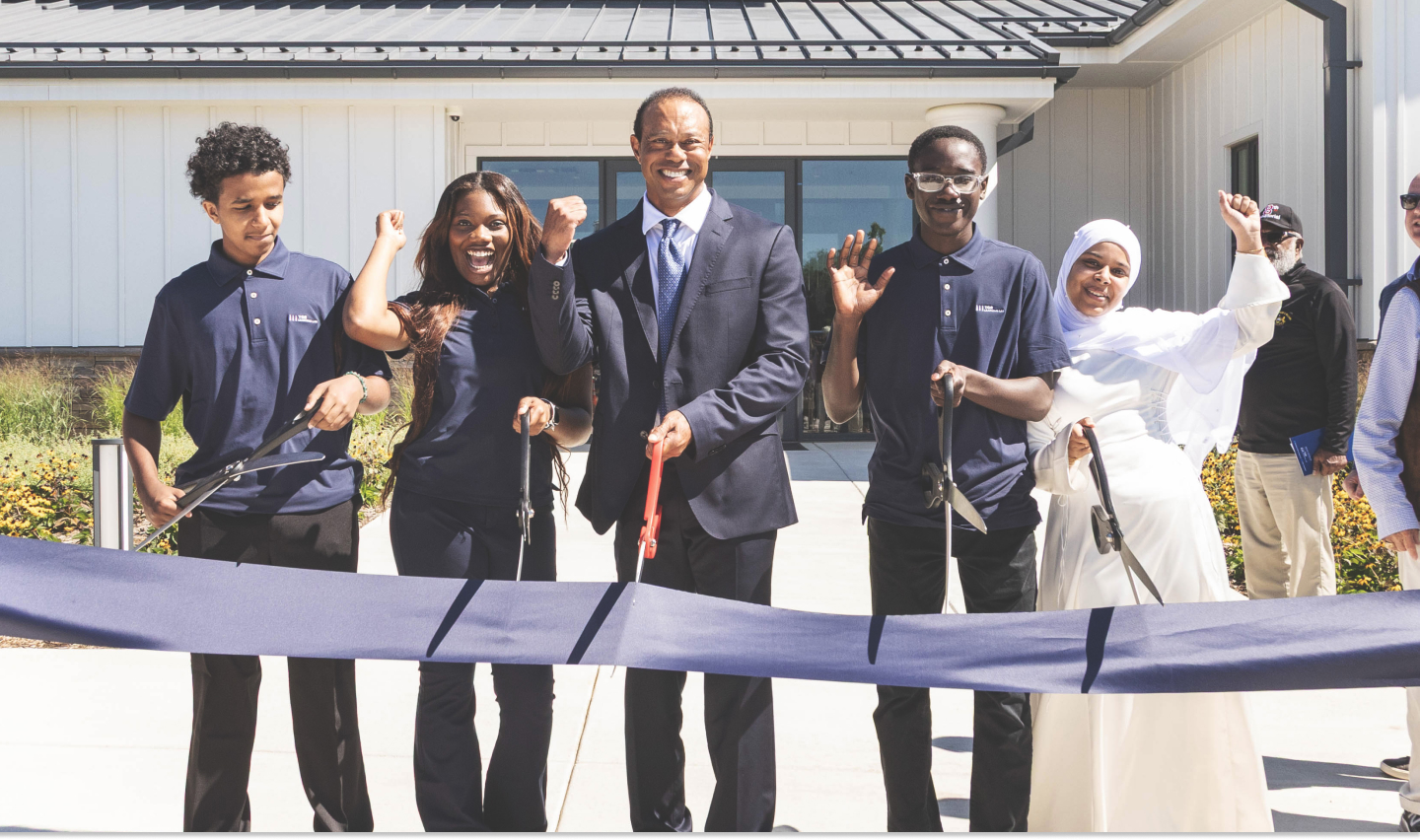
TGR Foundation has been driving dreams together in under-resourced communities since 1996. As we celebrate our 30-year anniversary, presented by EY, this series celebrates the impact of our programs and the accomplishments of esteemed alumni.
Learn more at TGRFoundation.org/30