When Tiger Woods shifted TGR Foundation’s focus to education in 2001 with a vision for a safe space for students from under-resourced communities, I was the superintendent of the largest elementary school district in Anaheim and the state of California. We had about 20,000 to 25,000 children who could easily fill a learning center and benefit from expanded educational opportunities.
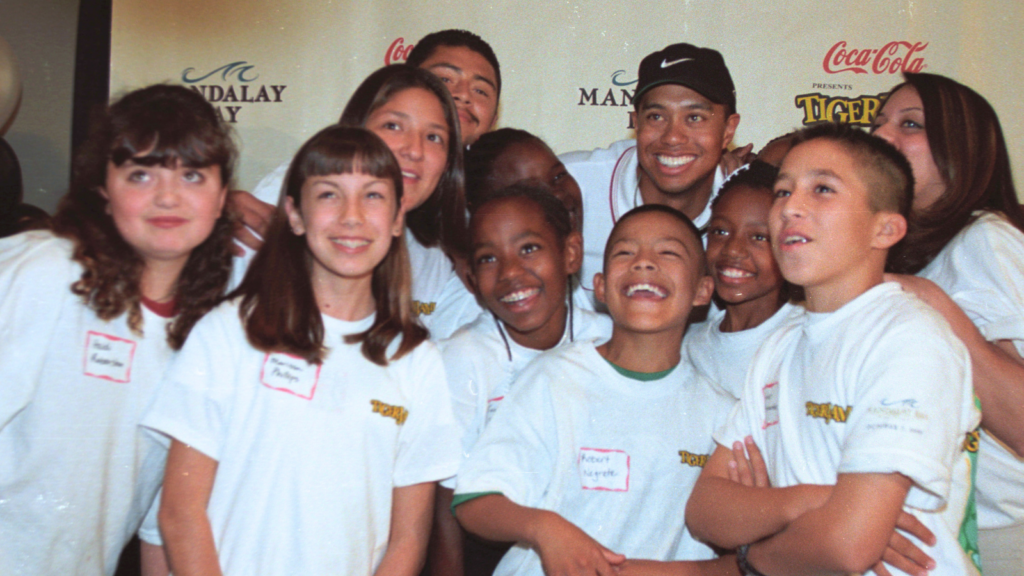
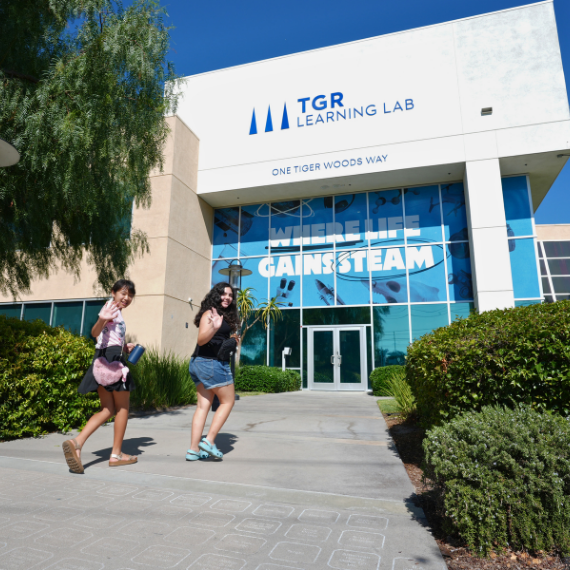
Our children lived in the shadow of the happiest place on Earth, Disneyland, but they’d never been. They lived half an hour from the beach, and they’d never been. I wanted them to have opportunities that other kids in the world had. The TGR Learning Lab was going to be a place kids wanted to be, where they were excited about learning and would experience something different.
In more than 30 years as an educator, I felt really honored when I was invited to be on the Learning Lab board, and I was overwhelmed when I was asked to be on the Foundation’s Board of Governors.
Nothing has made me prouder or given me more satisfaction and gratification than what I’ve been able to do, see and help make happen with TGR Foundation.
When I first became involved, the Anaheim Elementary School District (AESD) was on a year-round schedule. Students were divided into tracks, and only three-fourths of the kids were in school at any one time for three months. One-fourth of our students were out of school for a month, and we worked together to create a three-week program for them.
While schools were obligated to follow state curriculum and prepare students to test, at the Learning Lab, we could have fun while preparing them for life through active learning. Participants were able to move around, interact with each other and participate in hands-on activities.
We decided on marine biology and forensic science because CSI was really hot then, and they were enthralled by the show.
I remember one fourth grader who returned to school after participating and described her experience to her teacher as “life-changing.” In the early years of operation, a fourth grader had already recognized the impact the Learning Lab could have on her life.
While schools were obligated to follow state curriculum and prepare students to test, at the Learning Lab, we could have fun while preparing them for life through active learning. Participants were able to move around, interact with each other and participate in hands-on activities.
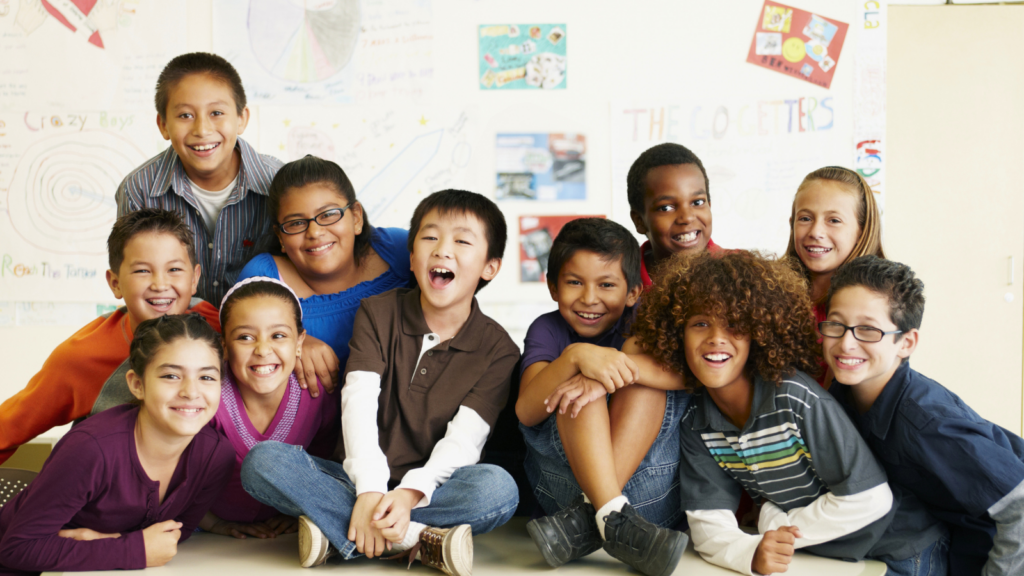
We decided on marine biology and forensic science because CSI was really hot then, and they were enthralled by the show.
I remember one fourth grader who returned to school after participating and described her experience to her teacher as “life-changing.” In the early years of operation, a fourth grader had already recognized the impact the Learning Lab could have on her life.
The launch went really well, and students were clamoring to come. As we grew, we started parent outreach programs. Although they cared deeply for their kids, many were busy, sometimes holding two or three jobs, and just didn’t have resources. We invited them to visit the Learning Lab to see what we had to offer their children and what students were experiencing after school.
Eventually, the district returned to the traditional school year, with everyone attending from September through June, and the Learning Lab pivoted its programming to give more young people opportunities all year long.
Modeled after an annual sixth-grade science trip to the San Bernardino Mountains, the Lab’s field trip model was created and has since hosted thousands of students each year. This also marked the real start of our educator professional learning program and after-school opportunities.
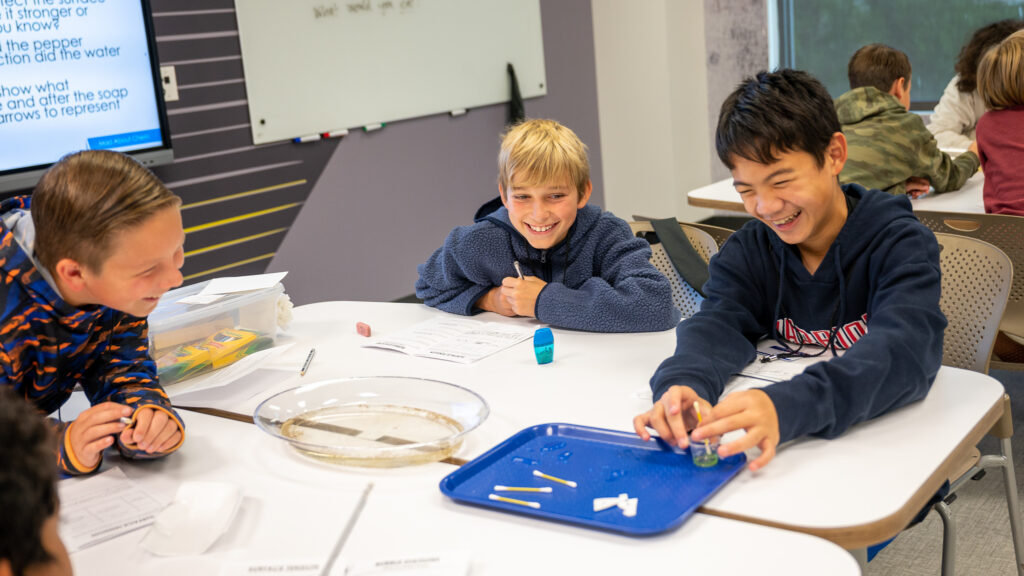
The TGR Learning Lab was a trendsetter in Anaheim, providing students with STEM opportunities before STEM was a well-known acronym. The high school district and five elementary school districts paid close attention to the opportunities, curriculum, active learning and student engagement it offered. At AESD, we mimicked a lot of what was happening at the Learning Lab because it was impactful for our kids.
As our programs grew, partnerships between school districts, community organizations and corporations were critical to our success. Faith, flexibility and patience were also important as partners recognized the value of what they might be able to give and the time it takes to develop a program and make it work.
The Learning Lab showed students that they’re not limited by their environment. There were opportunities waiting for them out there, but they weren’t always exposed to them.
We give them a chance. I always like to say that we unleash in them talents, gifts and potential that they didn’t know they had. We give them opportunities that they didn’t know existed — for them.
Serving young people alongside TGR Foundation has been the most rewarding volunteer experience of my life, truly. I couldn’t be prouder to have my kids participate in its programs and to see some of them go on to lead wonderful, productive and successful lives.
We really are changing lives.
Since launching 20 years ago, Learning Labs have supported more than 240,000 students in Anaheim and Philadelphia. Tiger and his parents started the Foundation with a simple vision to serve students from under-resourced communities, inspired by their family motto to share and care. To now be operating two Learning Labs with more than 30 different after-school courses and other learning opportunities is beyond what we imagined.
In addition to the Learning Labs, we’ve also had broader impact through our professional learning and Earl Woods Scholar programs. We see the fruits of our labor pretty early on, and we have so many success stories.
Outside of my role as a board member, I was also a mentor to Earl Woods Scholars from Anaheim and Buena Park, and it was like having daughters I never had.
I could help them educationally, but also personally. I was able to be a good role model for them, encourage them and guide them on their paths to success.
The students I see go through our TGR Learning Labs and our Earl Woods Scholar Program are truly shining stars.
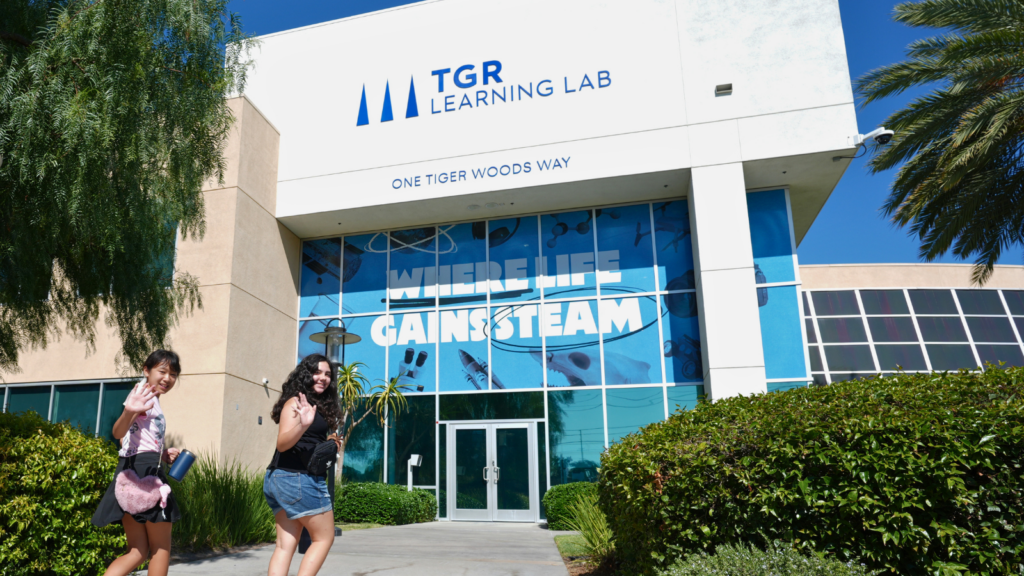
Our return on investment is long-term. We invest now, but these students have the bright futures and the greatest possibilities because of the opportunities they receive through TGR Foundation.
Young people have talent. It’s just not always tapped. They don’t always have a chance to develop it.
TGR Foundation is creating pathways to support students from under-resourced communities across the country. Learning Labs are being replicated in Los Angeles, Atlanta and Augusta, Georgia; the scholarship program is expanding, and we’re serving more students than ever before. I’m just so proud to be part of it.

TGR Foundation has been driving dreams together in under-resourced communities since 1996. As we celebrate our 30-year anniversary, presented by EY, this reflection highlights the impact of our programs from organizational leaders throughout our history.
Learn more at TGRFoundation.org.